Your go-to strategy for cut flower preservation
Posted on 26/08/2025
Your Go-To Strategy for Cut Flower Preservation
Cut flowers bring natural beauty and vibrant color to any space, from dining tables to work desks. However, unless given proper care, these blooms quickly wilt and lose their charm. Whether you receive an elegant bouquet or pick garden-fresh stems yourself, maximizing their longevity enhances your enjoyment and extends your investment. This comprehensive guide will outline your ultimate strategy for achieving cut flower preservation. Let's uncover the best tips, tricks, and science-backed techniques for keeping your flowers fresh, fragrant, and visually stunning as long as possible.

Why Is Cut Flower Preservation Important?
Cut flowers start their journey away from their root system the moment they are snipped. This detachment means losing their primary water and nutrient source. Without proper preservation techniques for cut flowers, they rapidly dehydrate and decay. Extending the life of your blooms:
- Improves value-- making your purchase or homegrown efforts last longer.
- Reduces waste by extending usability, reducing the frequency of replacements.
- Presents beautiful decor for special occasions or everyday enjoyment.
- Offers more opportunities for gifting and creative arrangements.
Factors Affecting Cut Flower Longevity
Understanding what causes flowers to deteriorate allows for targeted action. Here are the main contributors:
- Water uptake problems: Air bubbles or bacteria in stems prevent proper hydration.
- Bacterial growth: Dirty water encourages microbes that clog stems and emit odors.
- Temperature: Excessive heat accelerates wilting and fungal growth.
- Ethylene gas exposure: Produced by ripening fruit and aging plants, accelerating decay.
- Light: While some sunlight is helpful, direct sun can dehydrate delicate petals quickly.
- Flower variety: Some blooms are naturally more resilient (such as chrysanthemums) than others (like tulips).
The Essentials of Cut Flower Care: Your Strategy to Success
1. Start With Fresh Flowers
The first step to cut flower preservation is choosing the freshest blooms. When buying or picking:
- Inspect stems and leaves: Choose firm, turgid stems and unblemished leaves.
- Check petal freshness: Avoid wilted, bruised, or drooping petals.
- Look for tight buds: Many flowers, like lilies or roses, last longer if bought just before fully opening.
- Buy locally where possible: Local flowers spend less time in storage or transit.
2. Use the Right Tools
- Sharp scissors or floral shears: Dull blades may crush stems, impeding water flow.
- Clean vase: Bacteria in old water or residue-collecting vases are a prime cause of early spoilage.
- Fresh, room-temperature water: Neither hot nor ice cold - lukewarm water aids quick absorption after cutting.
3. Trim Stems Correctly
Before placing your flowers in their vase, always re-cut the stems. Here's how to do it effectively:
- Cut stems at a 45-degree angle: This increases surface area for water absorption.
- Trim under water if possible: This prevents air bubbles from entering the stem's vascular system (called embolism).
- Remove any submerged leaves: Leaves left beneath water-level decompose and rapidly generate bacteria.
- Re-trim every few days: Your cut flower preservation strategy should include re-cutting stems as they seal over time.
Nourish Your Flowers--The Role of Flower Food
You'll often notice small packets inside bouquets--these contain commercial flower food. This blend typically features:
- Sugar: Provides energy to blooms.
- Acidic ingredients: Like citric acid, to lower pH and facilitate stem water uptake.
- Bactericides: To inhibit bacterial growth in water.
DIY Flower Food Recipes
If you don't have a commercial flower food packet, you can make your own at home:
- Recipe 1: Mix 1 teaspoon sugar, 2 teaspoons lemon juice, and a few drops of bleach into a quart (1 liter) of water.
- Recipe 2: Add a splash of clear soda (like 7-Up) to water--sugar for energy, acidity for absorption.
- Apple cider vinegar & sugar solution: Mix 2 tablespoons vinegar with 2 tablespoons sugar in warm water (one quart), plus a tiny amount of bleach.
Tip: Never add aspirin, vodka, or copper coins. There's no scientific evidence supporting their effectiveness for flower preservation.
Best Practices for Arranging and Displaying Your Flowers
Vase and Water Care
- Wash your vase: Always use soap and hot water before reuse--rinsing alone isn't enough.
- Fill with clean, room-temperature water to just the right level, so stems are well-submerged but leaves are not.
- Change water every 2-3 days: Whenever you see the water turn cloudy, replace it immediately.
Arranging Your Flowers
- Don't overcrowd: Give stems space for air circulation and water flow.
- Separate delicate and hardy blooms: Some flowers, like daffodils, release sap that shortens the life of other flowers. Always condition such blooms separately first.
- Remove wilted blooms regularly: They produce ethylene gas, which accelerates decay in the rest.
Optimal Placement
- Avoid direct sunlight: This speeds up wilting, causes uneven opening, and encourages algae growth in water.
- Keep away from heat sources: Radiators, appliances, and even light bulbs generate extra heat.
- Store away from ripening fruit: Apples, bananas, and other produce release ethylene gas.
Advanced Cut Flower Preservation Techniques
If you want your cut flowers to last even longer, consider these advanced methods:
1. Hydration Before Arranging
Flowers benefit from a period of conditioning--immediately after cutting, plunge stems in tepid water (ideally in a cool, dark place) for 4-8 hours. This fully hydrates cells, preserving turgor and freshness.
2. Avoiding "Stem Slime"
Change water frequently, wipe down the vase, and trim stems with every refill. Some florists add a drop of dish soap as a surfactant to prevent microbial growth.
Special tip for roses: If stems become slimy, submerge flowers (except blooms) in a sink of cool, clean water for 30 minutes, then trim and refresh water.
3. Reviving Wilted Flowers
- Submerge completely in lukewarm water: Lay stems and blooms gently in a bathtub or large basin for up to an hour. Many flowers perk up after this hydration shock.
- Re-cut stems and return to fresh water; often, a simple stem trim solves dehydration woes.
4. Professional Preservatives and Sprays
Specialty sprays, like floral sealants, create a fine mist that locks in moisture and retards evaporation. These are available at floral supply stores and can be particularly effective in hot climates or for event setups.
5. Flower Stem Support
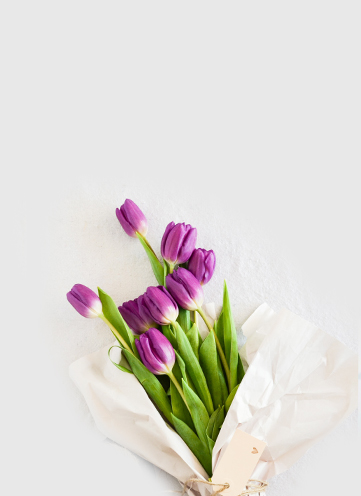
Certain soft-stemmed flowers (like tulips) benefit from a creative hack--wrapping the base with a strip of newspaper for the first hour post-cutting. This provides gentle support while hydrating and can prevent drooping.
6. Novel DIY Methods
- Using hair spray: Lightly mist blooms from a distance (holding the hair spray 12 inches away) to add a protective barrier. Use sparingly and on outer petals only.
- Preserving with silica gel: This method is especially useful for drying and preserving flowers for crafts rather than displaying cut stems in water.
Top 10 Long-Lasting Cut Flower Varieties
Not all cut flowers are created equal! For the best bang for your buck in terms of cut flower preservation, consider these robust options:
- Chrysanthemums
- Carnations
- Alstroemeria (Peruvian Lily)
- Lisianthus
- Orchids
- Protea
- Freesia
- Sunflower
- Gladiolus
- Statice
Pair these hearty blooms with quick-fading favorites (delphinium, zinnias, tulips) for both durability and beauty.
Common Myths About Cut Flower Preservation
- Aspirin prolongs cut flower life: No strong scientific basis supports this old wives' tale.
- Penny in the vase kills bacteria: Modern pennies contain little copper and introduce harmful contaminants.
- Sugar alone is enough: While sugar feeds blooms, without acidity and bactericide, it promotes microbial growth.
Eco-Friendly Tips for Cut Flower Care
- Compost your spent blooms: Return organics to the earth and reduce landfill waste.
- Choose seasonal, local flowers for maximum longevity and minimal shipping impact.
- Repurpose dying arrangements: Use petals for potpourri or dry blossoms for crafts.
Conclusion: Make Cut Flower Preservation Your New Routine
Maximizing the vase life of your blooms is both art and science. The key to **preserving cut flowers** lies in consistent care, scientific know-how, and a few clever hacks. Begin with the freshest flowers, employ sharp tools, keep water clean, nourish with balanced food, and control their environment. Refresh arrangements at the first sign of decay and experiment with advanced methods to find what works best for the varieties in your vase. Whether you're enjoying a weekly bouquet or preparing floral decor for special events, let these comprehensive strategies transform your flower care into a lasting pleasure.
Preserve and cherish your flowers--enjoy their beauty day after day!
Latest Posts
Flowers for Offices in [POSTCODE]: How One SW6 Business Transformed Their Space
Delivering Flowers in [NEIGHBOURHOOD]: Our Fulham Palace Project Story
Decoding the color messages of peony flowers and their symbolism